
A kitchen with two different backsplashes gives you more room to play with color, pattern, and texture while giving different areas their own identity. Pair a marble slab with mosaic tile, mix glass with natural stone, or use a contrasting design behind the range to create a focal point while keeping the rest of the kitchen connected.

White Herringbone Backsplash with Marble Slabs
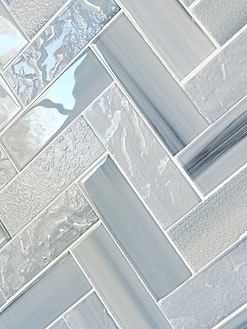
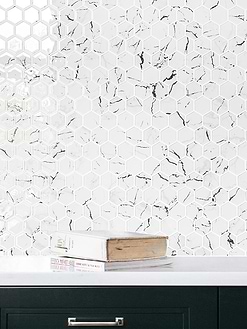
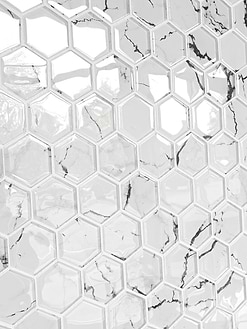
If you like white wood cabinets and want to add visual interest, you can go with a kitchen with two different backsplashes, as in this kitchen. Here, the white marble-look countertop continues upward as a half-height slab backsplash and creates a clean lower section before the white glass herringbone marble look mosaic backsplash tile takes over above it. The soft gray veining in backsplash tile BA5503 relates naturally to the slab.

Contemporary Kitchen with Two Dfferent Backsplashes
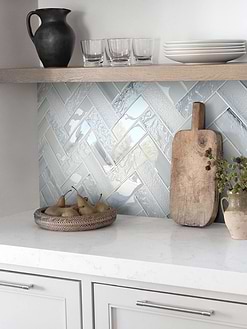
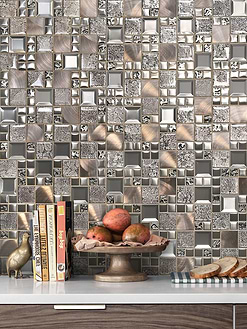
A half-height slab that matches the countertop gives the lower wall a clean foundation while leaving the space above for a more decorative backsplash tile. In this contemporary kitchen, the modern gray metallic backsplash tile creates a vertical feature behind the cooktop. Backsplash tile product BA6205 works especially well with the flat-panel walnut cabinets and dark gray stone slab backsplash and countertop.
Kitchen with Two Different Backsplashes
The individuality of a kitchen is shown through the backsplash. A backsplash is a terrific way to showcase your sense of design while remodeling your kitchen. Backsplash designs and materials can be pleasant and straightforward, or exquisite and ornate to suit your tastes. It can serve as a spectacular focal point or serve as a natural way to unite a design. By putting a large feature in one location, such as behind a stove, then extending the theme of that element throughout the remainder of the kitchen as accents or borders, there are various ways to provide variance to the whole backsplash, such as having a kitchen with two different backsplashes. In other situations, tile manufacturers design these kinds of schemes so that you may mix and match them without worrying about whether the color and style go well together.
You may not be aware of all the backsplash material possibilities available while designing a kitchen with two different backsplashes. Although tile has historically been popular and continues to be one of the most often utilized materials, other options include stone and glass. Just keep in mind that certain materials require less upkeep than others, so be sure to research the relative maintenance requirements for any materials you are thinking about. Also, the color options for some materials could be restricted. Backsplashes can be made of ceramic, marble, glass, slate, travertine, limestone, or onyx. Let’s check them!
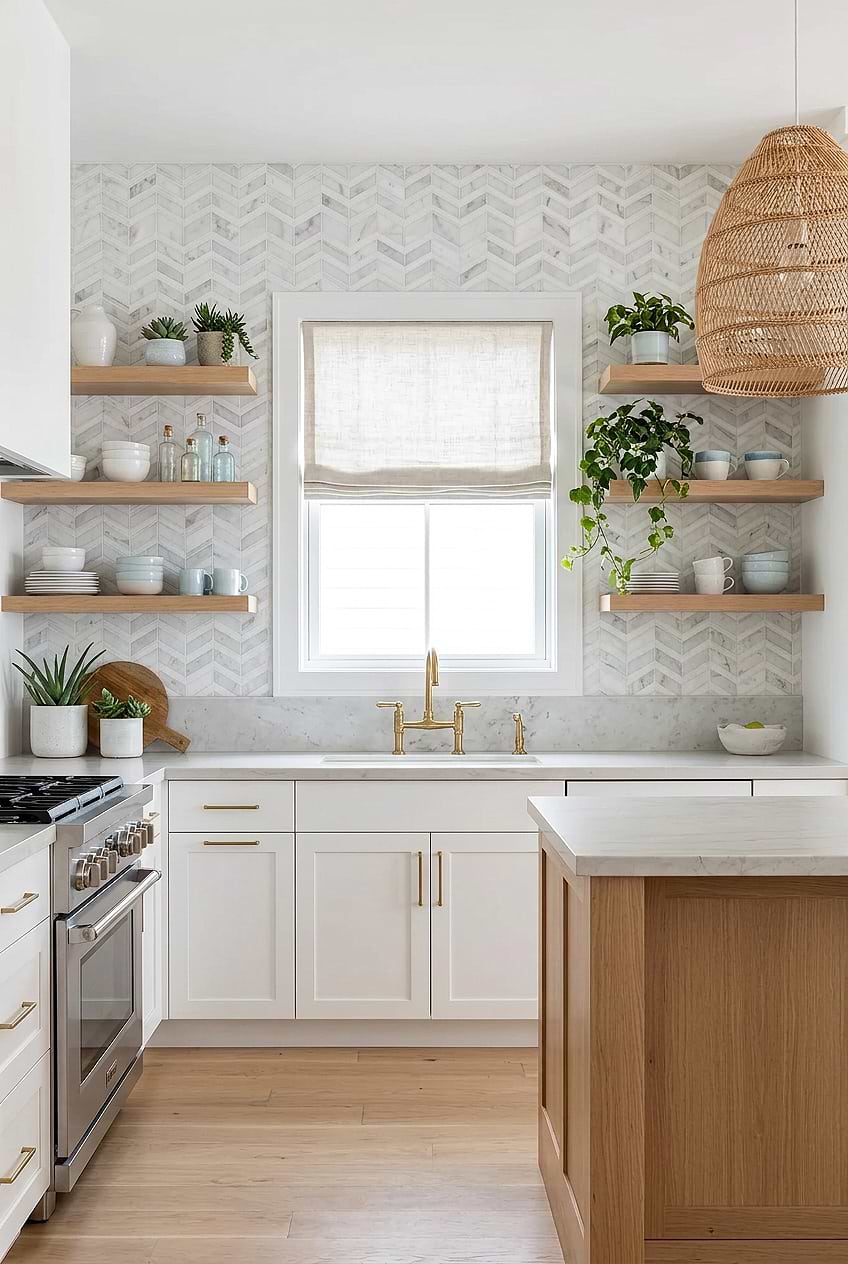
White Cabinets with Marble Chevron Kitchen Backsplash
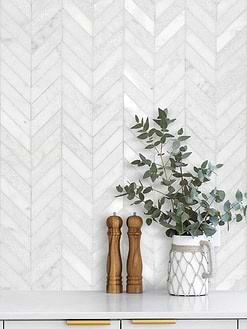
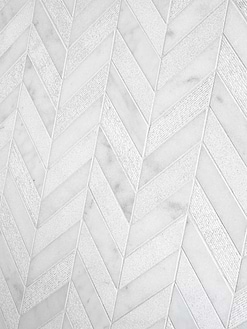
If you like the idea of a kitchen with two different backsplashes, a light stone slab paired with patterned tile is one of the best combinations to work with. The countertop material can continue partway up the wall as a clean slab backsplash and leaves the upper section for the white gray gold chevron marble mosaic tile. The pattern of backsplash tile BA6311 brings movement above the stone surfaces.
Best Seller Mosaic Tiles
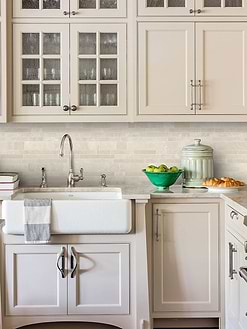
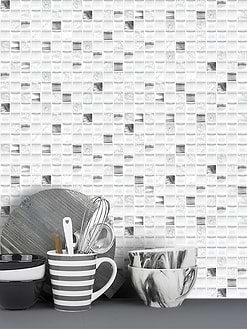
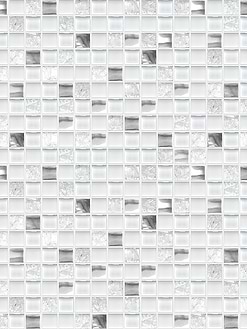
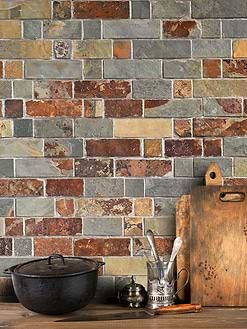
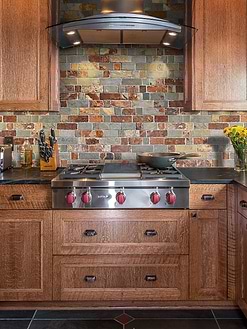
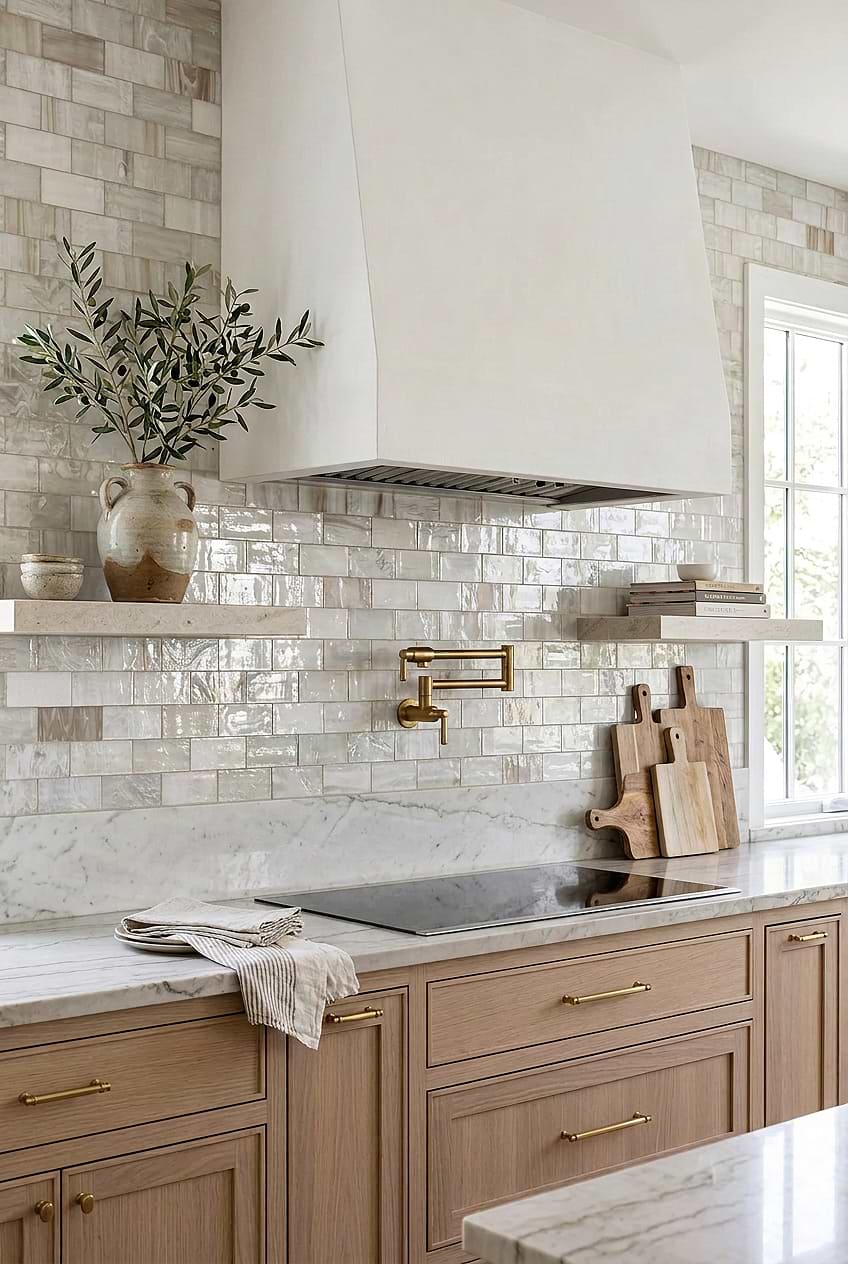
Full-height Opal Beige Glass Kitchen Backsplash
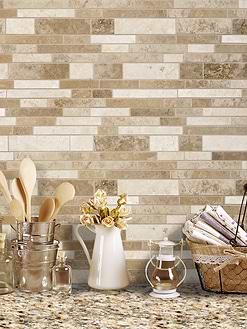
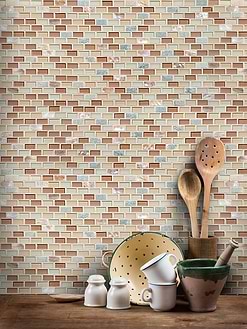
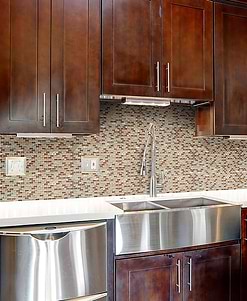
A half-height marble slab is a natural place to start when mixing two backsplash materials. Here, the white marble countertop continues up the lower wall before the opal beige glass hand cut artisan subway tile begins above. Beige, cream, and taupe pieces give backsplash tile BA7015 a warmer and more textured finish. These beige shades create a cohesive look with the light wood shaker cabinets and brass hardware.
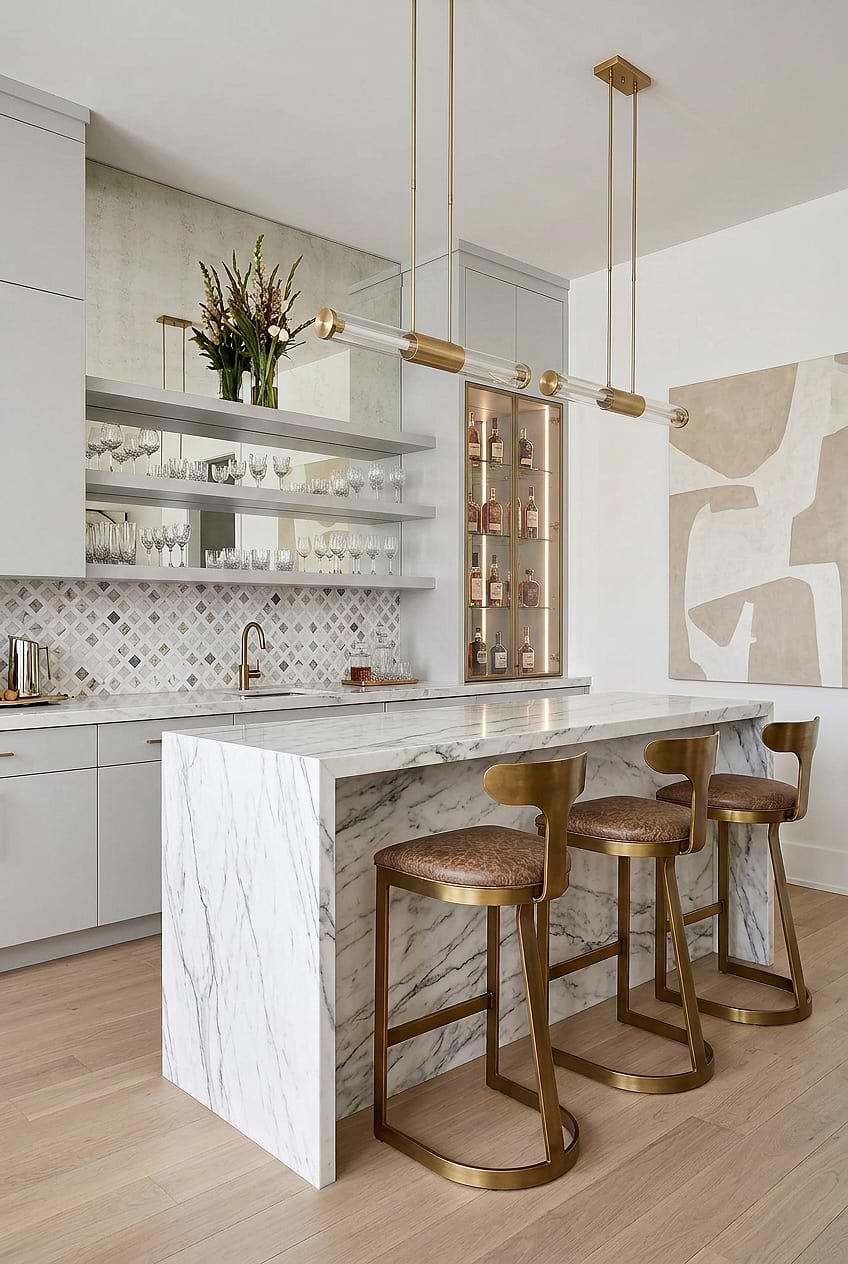
Marble Diamond Luxury Kitchen Backsplash
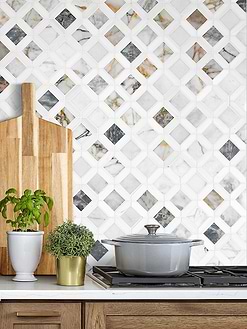
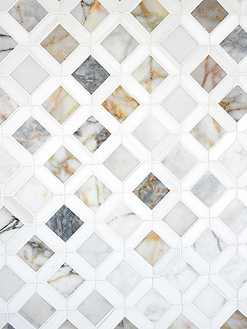
The multi color marble diamond tile brings white, soft gray, and beige into a detailed geometric pattern. The white marble countertops create a cohesive look with the backsplash tile BA6313. Above, the mirrored wall acts as a second backsplash that brings depth and dimension to the space. For the rest, the gray cabinets provide a sleek foundation while brass accents add a dose of sparkle to the overall look.
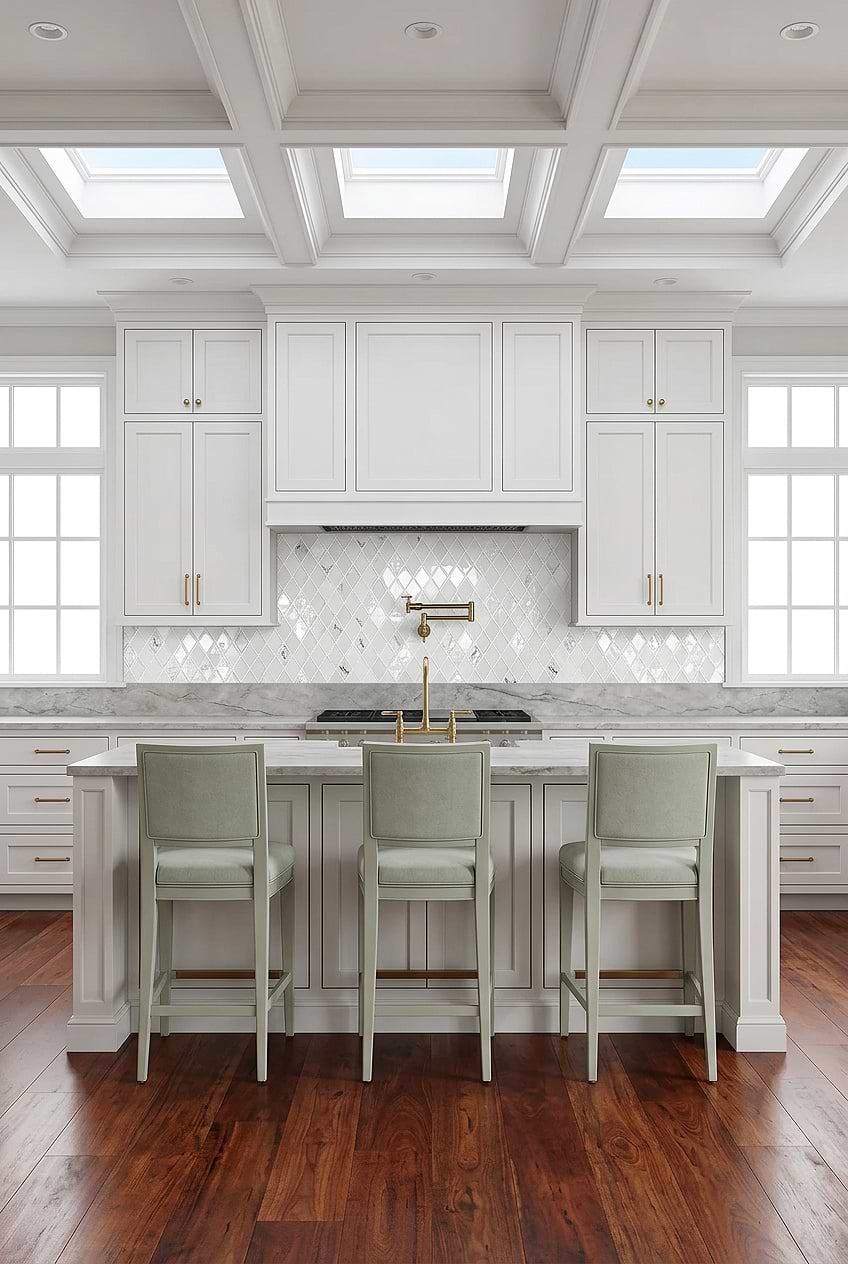
White Kitchen with Two Different Backsplashes
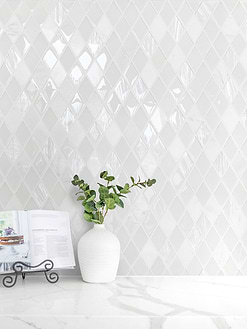
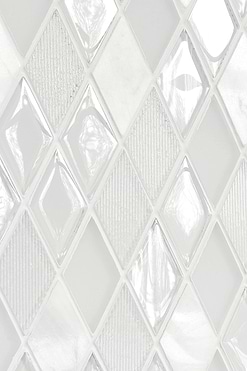
There’s no rule that says every backsplash wall has to match. This kitchen saves the rhomboid white glass mosaic backsplash tile for the cooktop. Backsplash tile BA5502 works with the white raised-panel cabinets thanks to its reflective glass surface. On the surrounding walls, carrying the gray-veined white marble countertop upward as a short slab backsplash offers a calmer counterpoint to the mosaic.
Is it OK to mix matte and glossy tiles?
A stunning yet understated method to add texture to your interiors is to combine matte and gloss surfaces. Any installation may get the extra appeal from the combination of a matte’s suppleness and a gloss’s light-reflecting brilliance. Our ceramic, brick, or glass tile may be used to create this effect, and it looks great in a variety of settings, including your fireplace surround, kitchen backsplash, and bathroom floor. You may choose the amount of shine to matte that you like, whether it is a noticeable difference or a subtle spattering.
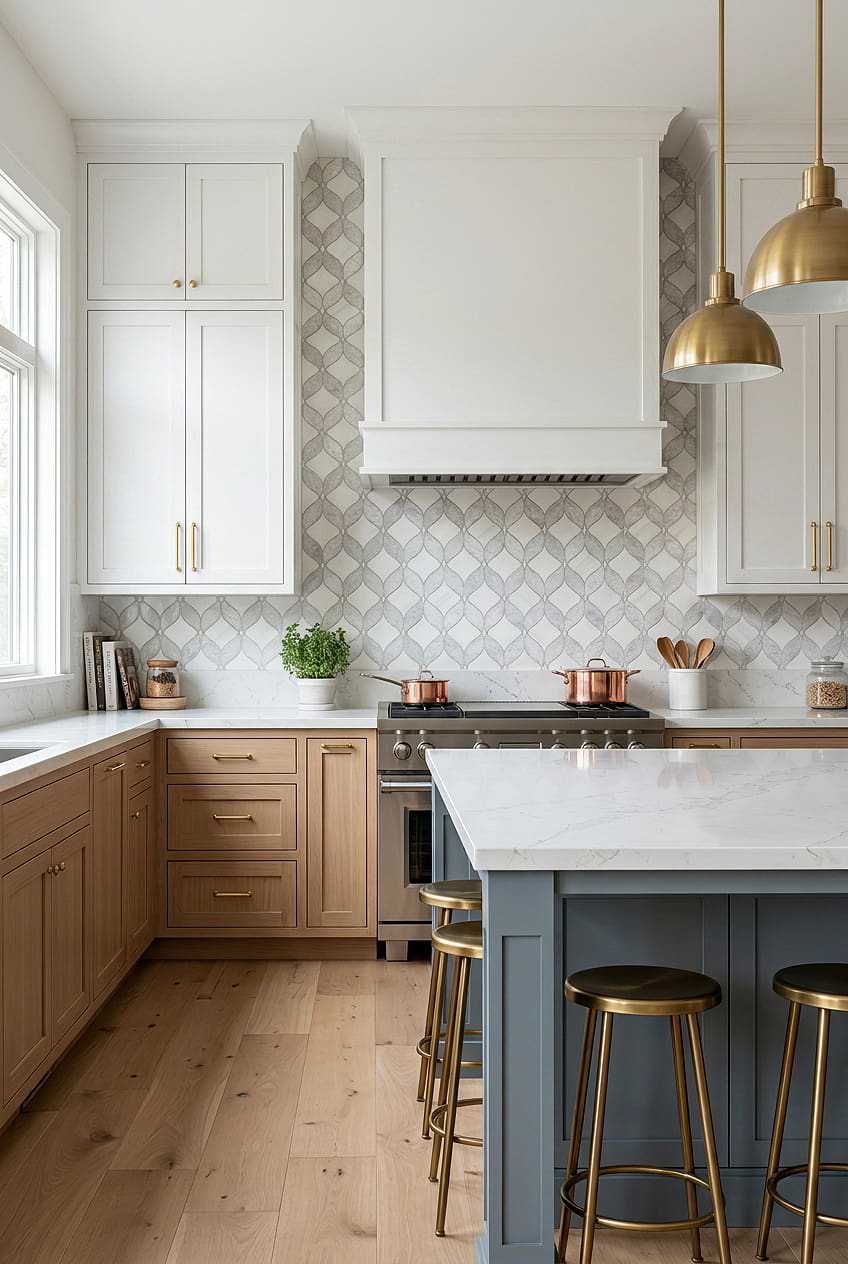
White and Wood Cabinets with Marble Waterjet Backsplash
If you are mixing two different backsplashes in one kitchen, giving each one a clear look usually makes the combination feel more natural. The white gray waterjet mosaic kitchen backsplash tile takes the decorative role around the range. Backsplash tile BA6317 also works easily with the white hood and upper cabinetry, while the warm wood raised-panel cabinets keep the room from becoming too pale. A white quartz slab serves as a short backsplash that makes a simple second treatment.
Can You Use 2 Different Backsplashes in Kitchen?
Of course, you can use 2 different backsplashes in kitchens! We strongly advise experimenting with the design and pattern of your backsplash tiles. Square or rectangular tiles can produce an unusual design or offer two different views with only a simple change in orientation. To give your kitchen walls texture and a special complexity, you may also pick tiles in a variety of sizes, shapes, and colors. To make the ideal backsplash, don’t be scared to use two distinct materials. Because there are so many alternatives for size, color, finishes, and texture, there is sure to be a combination that matches your taste. Tiles and natural materials mixed exhibit diverse patterns.
Kitchen with Two Different Colored Backsplashes
A backsplash is created to protect the wall behind a stove or similar appliance on a practical level. In essence, it’s the substance that fills in or covers the space between the kitchen cabinets and the countertop. Also, you can have a focal point with an aesthetic design with a backsplash. If you want to increase the perfect view of your kitchen, it is possible to have a kitchen with two different colored backsplashes.
Thanks to technological improvements, the backsplash industry provides a vast of alternatives. Having a kitchen with two different colored backsplashes is one of the ideas you can go with. From contrasting colors to harmonized ones, there are tones of combinations for a kitchen with two different colored backsplashes. Scroll down to see some of the gorgeous examples of two-tone kitchen backsplashes that may inspire you for your renovations!
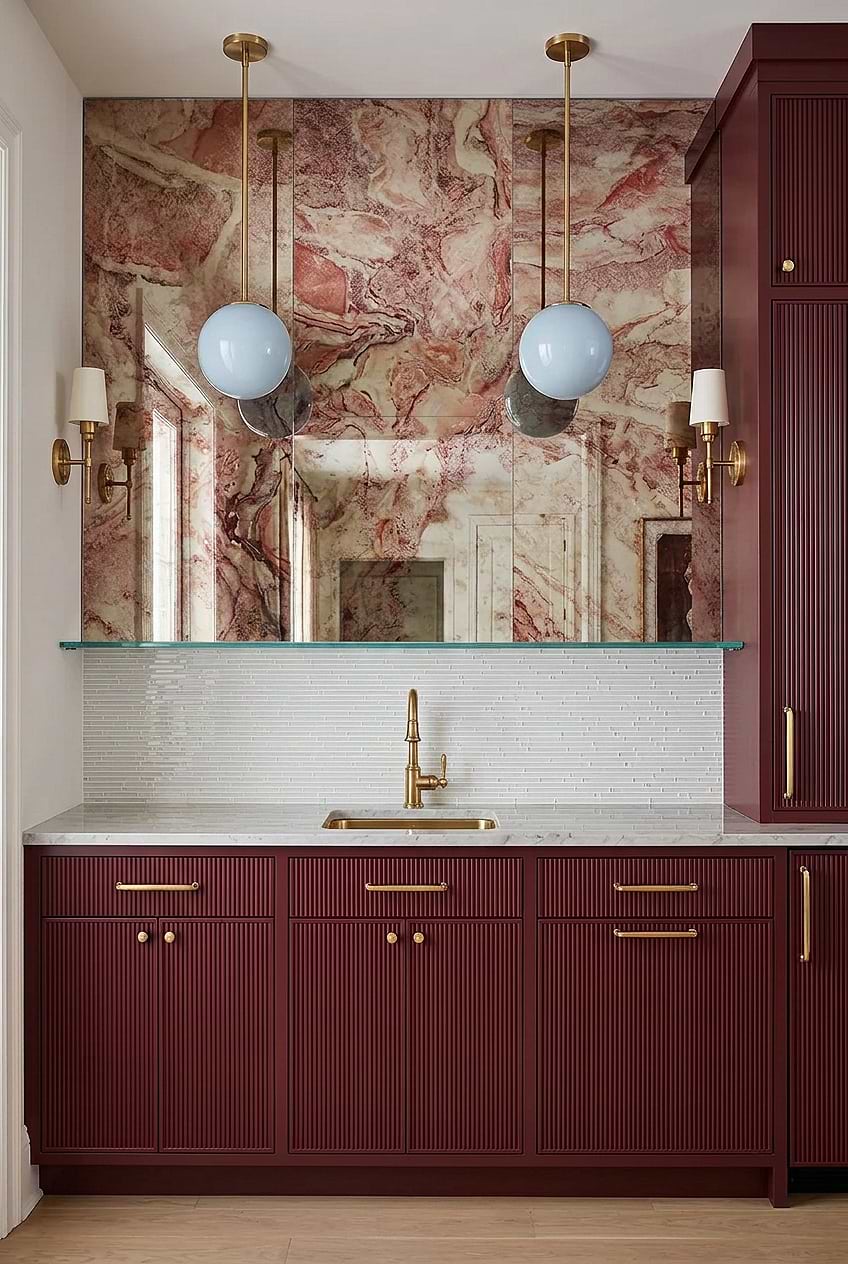
Modern White Backsplash with Burgundy Cabinets
Sometimes the best way to use two different backsplashes is to let one stay quiet and give the other all the drama. Behind the sink, the modern white backsplash tile creates a clean background for the deep burgundy fluted cabinets. Backsplash tile product number BA1164 keeps this working area simple, while the red and cream marble mirror surface introduces a much bolder second backsplash moment.
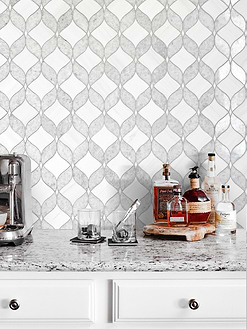
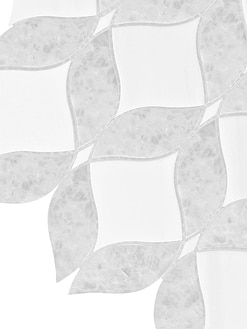
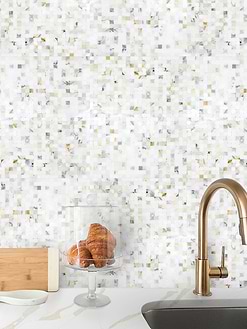
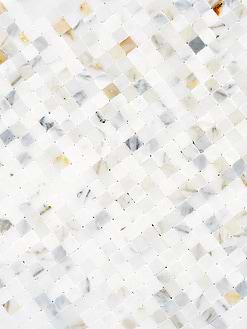
Unique Mosaic Tiles


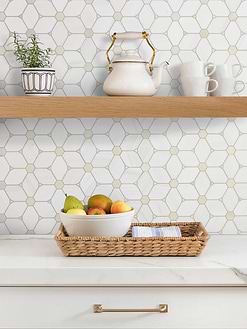
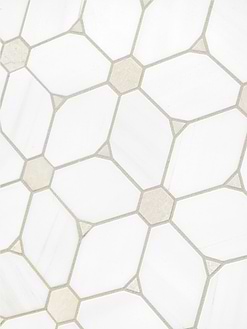
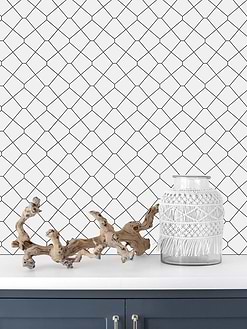

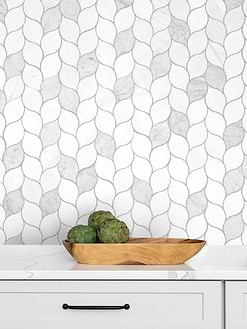
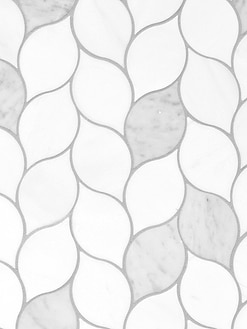
How do you mix different tiles?
If you want to mix different tiles, you can consider a couple of things, as we listed below:
- Use patterned tiles throughout the room, but don’t use them on every surface. To prevent your room from being overly visually cluttered, combine the busy-patterned tiles with bigger plain tiles.
- If one choice is matte and the other is shiny, similar-sized tiles look wonderful when combined. They will not only offer your remodeled bathroom a unique appearance, but they will also provide extra texture to the area.
- Consider varied tile shapes rather than different tile colors. Use the grout lines to make patterns by choosing two identical tile designs. Select a grout color in contrast to the tile to give the tiles more detail.
- Be careful not to use too many colors. This may cause an overwhelming appeal in the room.
- Make careful to limit the usage of patterned tiles to one surface and pair them with a plain tile pattern. You will get both contrast and focus points by doing this.
- Brightly colored tiles will give your space a splash of color and visual intrigue. Instead of covering the entire surface, these tiles function nicely when placed in only one spot.
White Picket Glass Backsplash with Green Cabinets
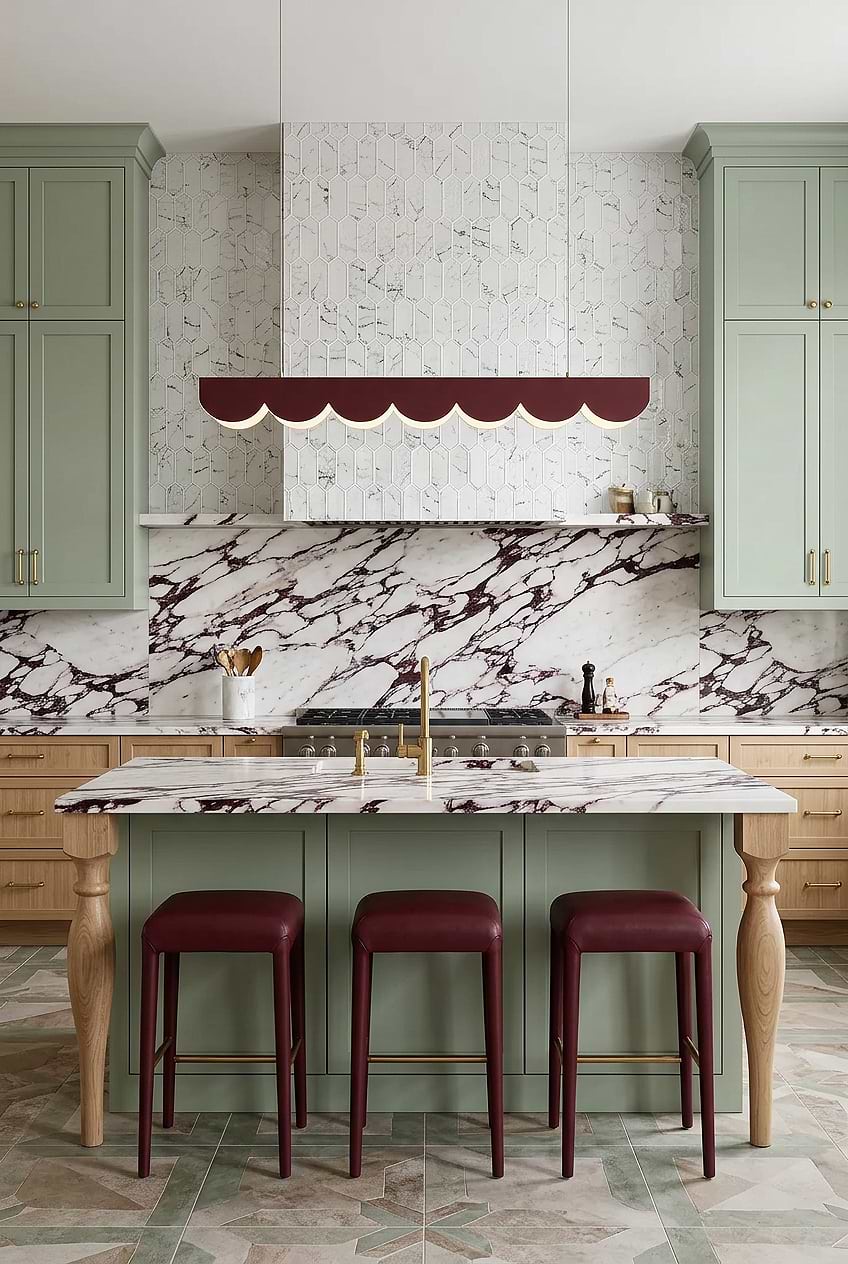
There is already plenty of personality in the white marble backsplash with deep burgundy veining. The addition of the white marble look glass picket mosaic backsplash tile introduces a slender geometric pattern and give backsplash tile BA5504 its own identity. Sage green cabinets, natural wood lowers, and brass hardware balance the busy patterns.
Can you mix tile sizes?
Combining different sizes of the same tile in one area is an intriguing alternative to mixing altogether distinct tile patterns when mixing and matching tiles. This will add interest to your interior design plan. Due to its nearly continuous appearance, which gives the impression of more space, this aesthetic is particularly well suited to tiny room ideas.
Black-Gray Glass Tiled Backsplash and Range Hood
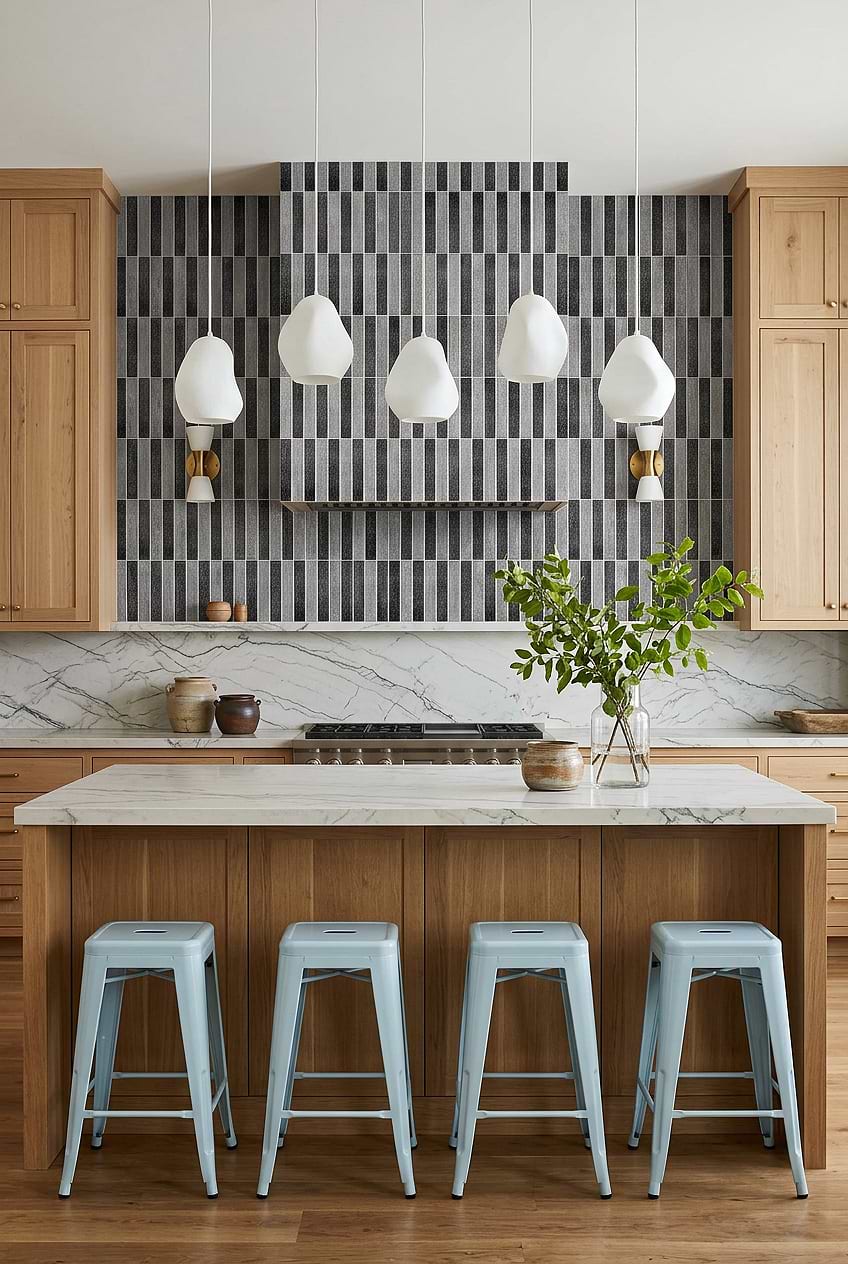
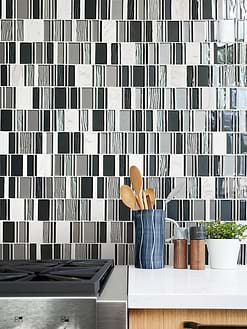
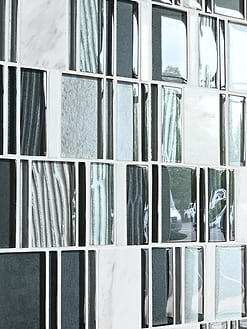
If you want a kitchen with two different backsplashes to have a little more edge, try pairing bold glass with simpler stone. The shimmery textured black and white glass backsplash tile brings vertical stripes to the main wall, giving backsplash tile BA8024 a graphic look. Below, the white marble countertop with dramatic gray veining continue a short way up the wall as a slab backsplash. Marble surfaces allows the glass backsplash tiles to stand out even further.
What do you do when you install two different-thickness tiles?
This can be done in different ways. One method is to support rows of your relatively thin tiles by cutting strips of a waterproof membrane like Ditra. Another way is to apply the thin set on a plastic strip that, by accident or design, gives thickness and grip. Using spacers, a level, and a rubber mallet to knock down high places, install the tiles precisely as you did with the thick tiles. To help level the thinner tiles with the thicker ones, the thin set can be applied up to 1/2 inch thick.
Rose Gold Metallic Travertine Kitchen Backsplash
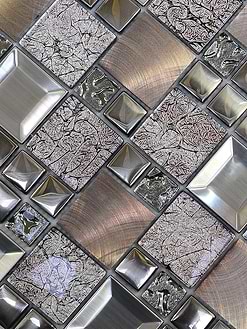
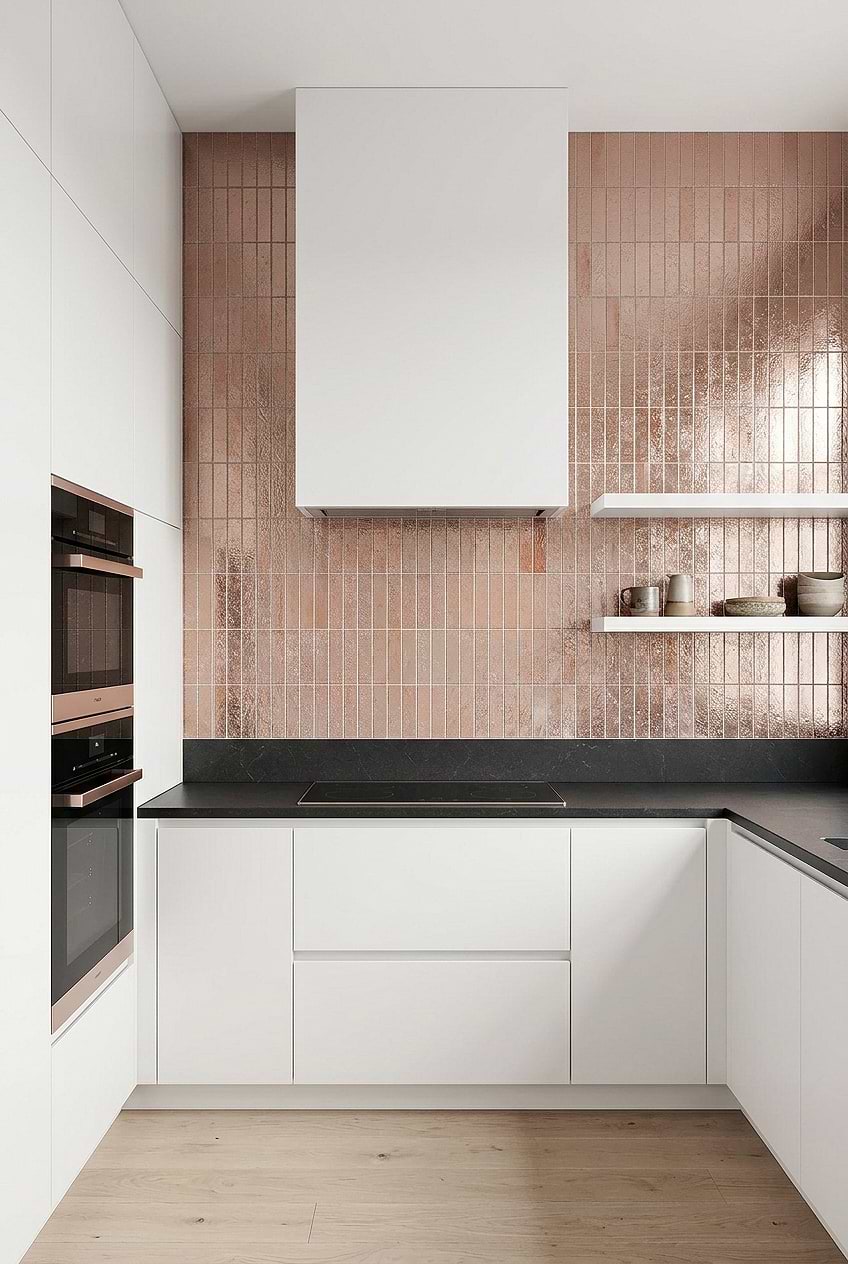
Rose gold and black stone make an unexpected pairing for this contemporary kitchen. The black stone countertop continues a short way up the wall as a slab backsplash. It creates a dark base beneath the modern rose gold metallic backsplash tile. With its metallic finish, backsplash tile product number BA6206 become the decorative half of the wall.
Kitchen with Two Different Backsplash Materials
The material for your kitchen backsplash will be a permanent element of your kitchen decor—at least for a few years—just like the tiles you choose for the shower or the hardwood you choose for the floor. Every time you’re cooking, baking, cleaning up, or simply going to the kitchen to get a snack, you may have to stare at an unappealing aesthetic as a result of a hurried decision. You can accentuate your kitchen’s overall look by having a kitchen with two different backsplash materials.
You should attempt to obtain a better grasp of the numerous backsplash tile possibilities in order to create the perfect kitchen with two different backsplash materials and designs. Also, you may select a kitchen with two different backsplash materials that you won’t regret by learning about the advantages and disadvantages of each type as well as the price, style, installation challenges, and other crucial variables.
Ocean Blue Glass Kitchen Backsplash with Wood Cabinets
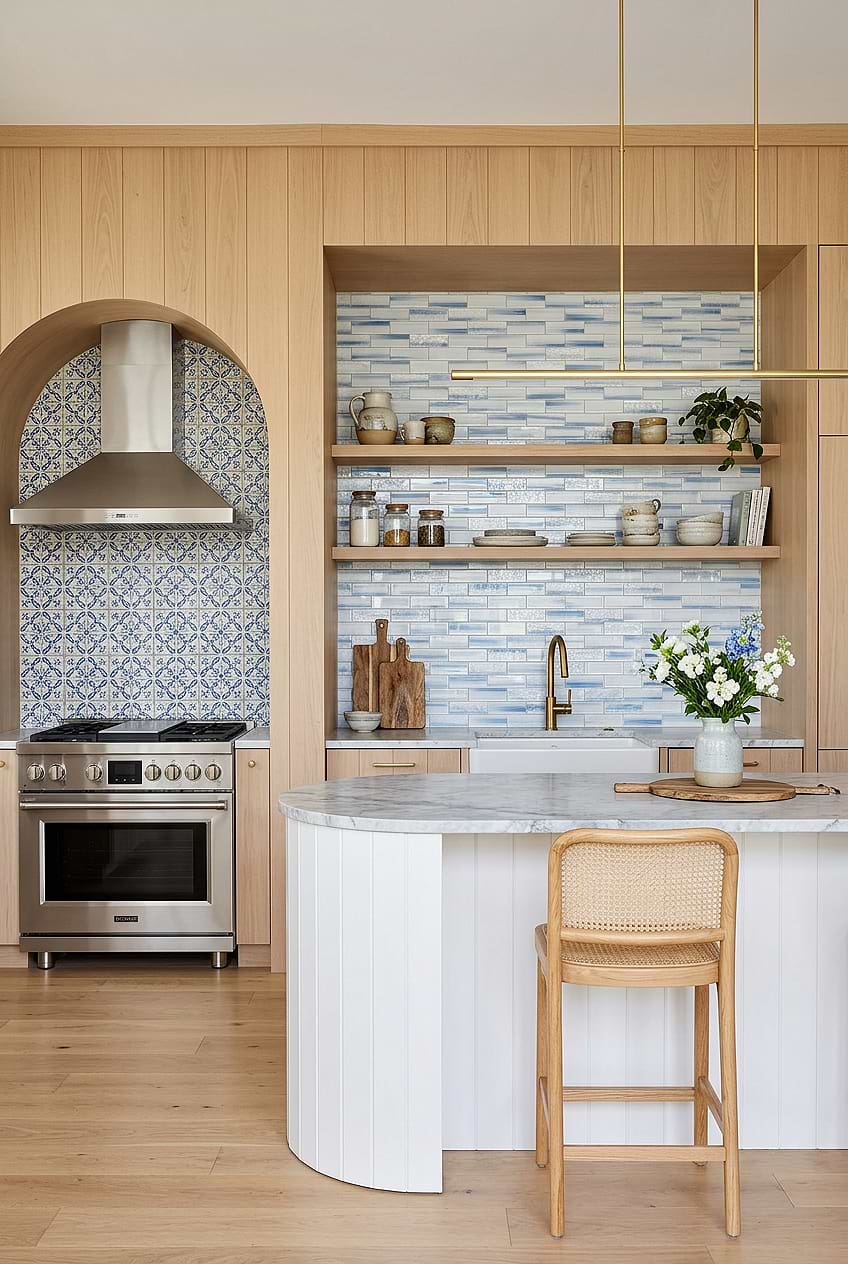
You can mix two different backsplash designs if you do not feel satisfied with only a contrasting look. Here, the ocean blue textured glass subway tile layers blue, gray, and pearly white behind the light wood flat-panel cabinets and white stone countertops. Open shelving leaves plenty of Backsplash tile BA5507-LOT-C visible. Behind the range, a separate blue-and-white patterned tile creates a more decorative cooking zone.
Can you mix ceramic and porcelain tiles?
You can mix ceramic and porcelain tiles, but you need to be aware of their distinctions to make the most of each material’s strengths.
Bronzite Brown Glass Kitchen Backsplash
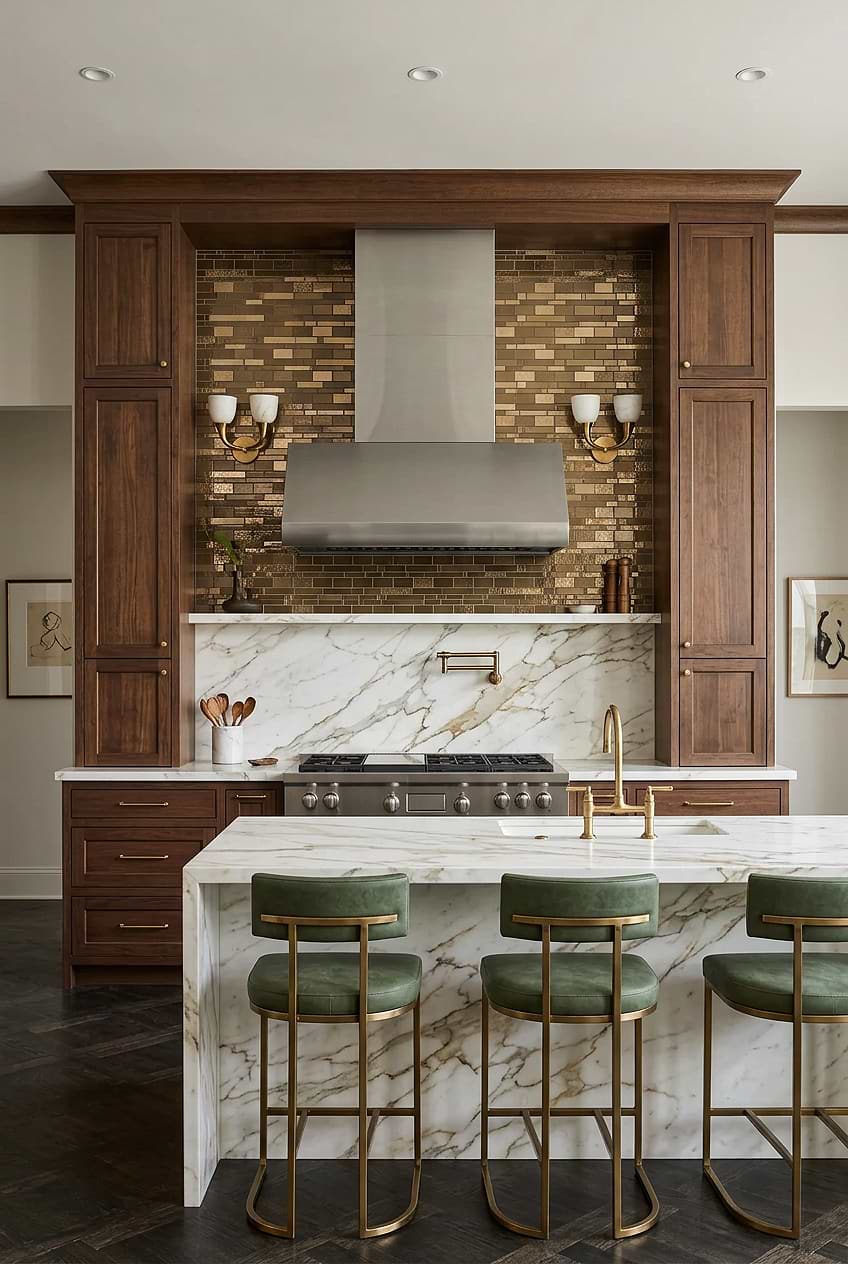
Here, the backsplash changes with the function of the wall. The white marble slab backsplash continues from the matching countertops for an easygoing surface, while the cooking zone gets a richer treatment with the bronzite brown glass hand cut artisan mosaic tile. Bronze and brown glass pieces in backsplash tile BA7019 gives the range wall more texture. Wood cabinets perfectly complement the rich tones of the glass tiles.
White Long Vertical Backsplash with Green Marble Slabs
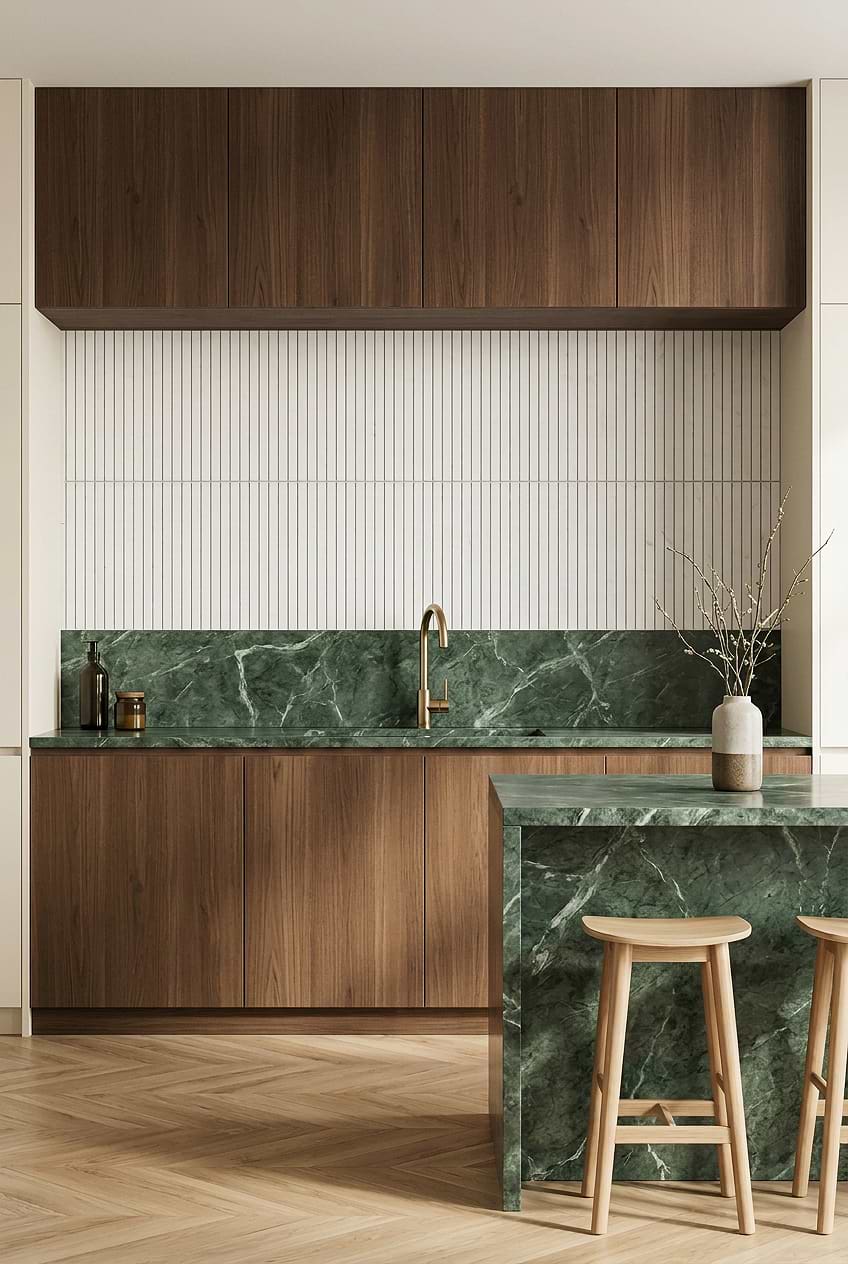
If you want two different backsplashes to feel clearly distinct, pairing bold stone with a simple tile can work especially well. The deep green marble countertop continues partway up the wall as a matching slab. Above it, the modern long marble pure white backsplash mosaic tile shifts the look completely with long and slim vertical pieces. Backsplash tile BA1078 gives the upper wall texture without competing with the dramatic veining below.
Black Slate Subway Tile Bar Backsplash
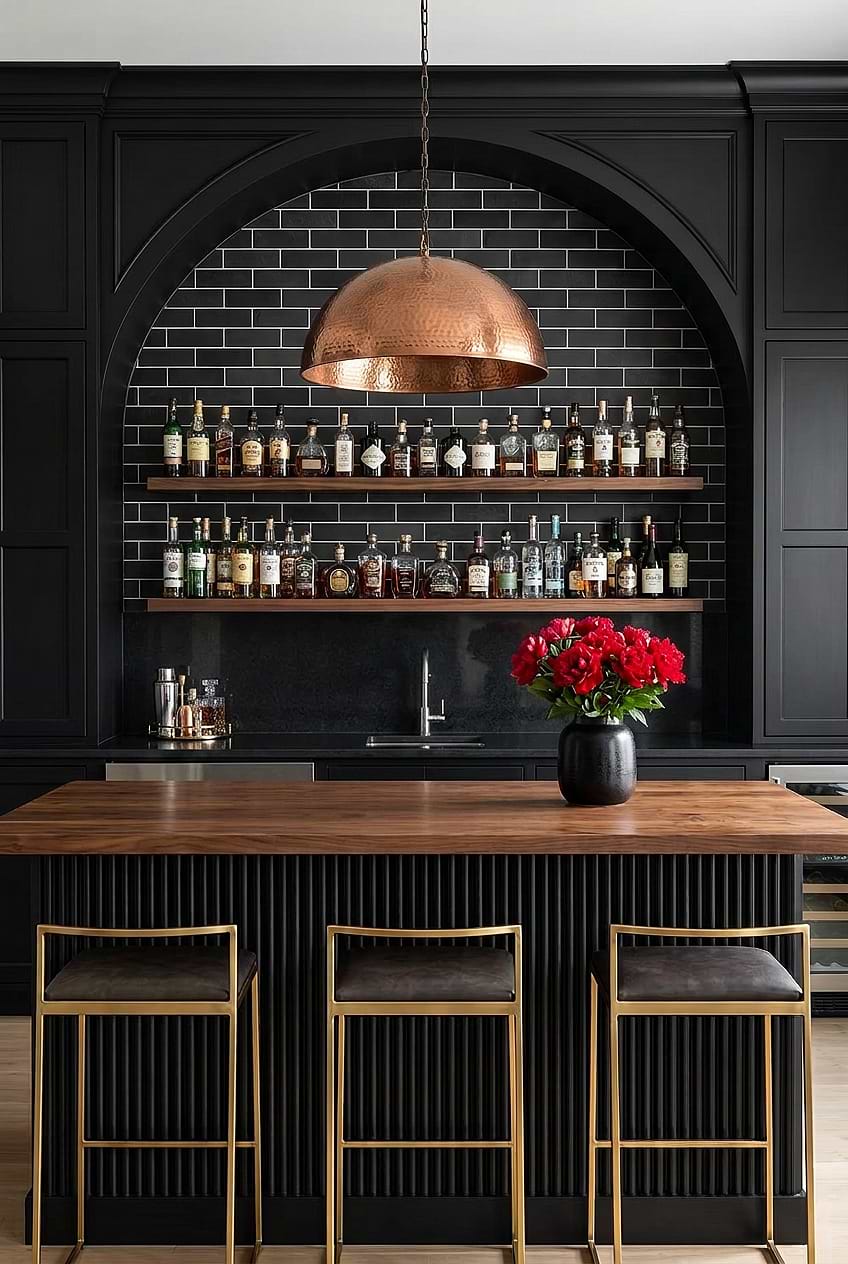
Not every kitchen with two different backsplashes needs both materials to compete for attention. Inside the arched cabinetry, the black / dark gray slate subway backsplash tile creates a deep and textured background. The slim horizontal pieces of backsplash tile product BA1070 give this darker zone just enough definition. The solid black stone backsplash continue from the countertop for a quieter second treatment.
Can you mix marble and porcelain?
Fear not—no one will be able to tell the difference if actual marble is utilized alongside premium porcelain tile that looks like marble! With the development and refinement of inkjet printing technology, porcelain tiles can now mimic the lifelike patterns and hues of true marble.
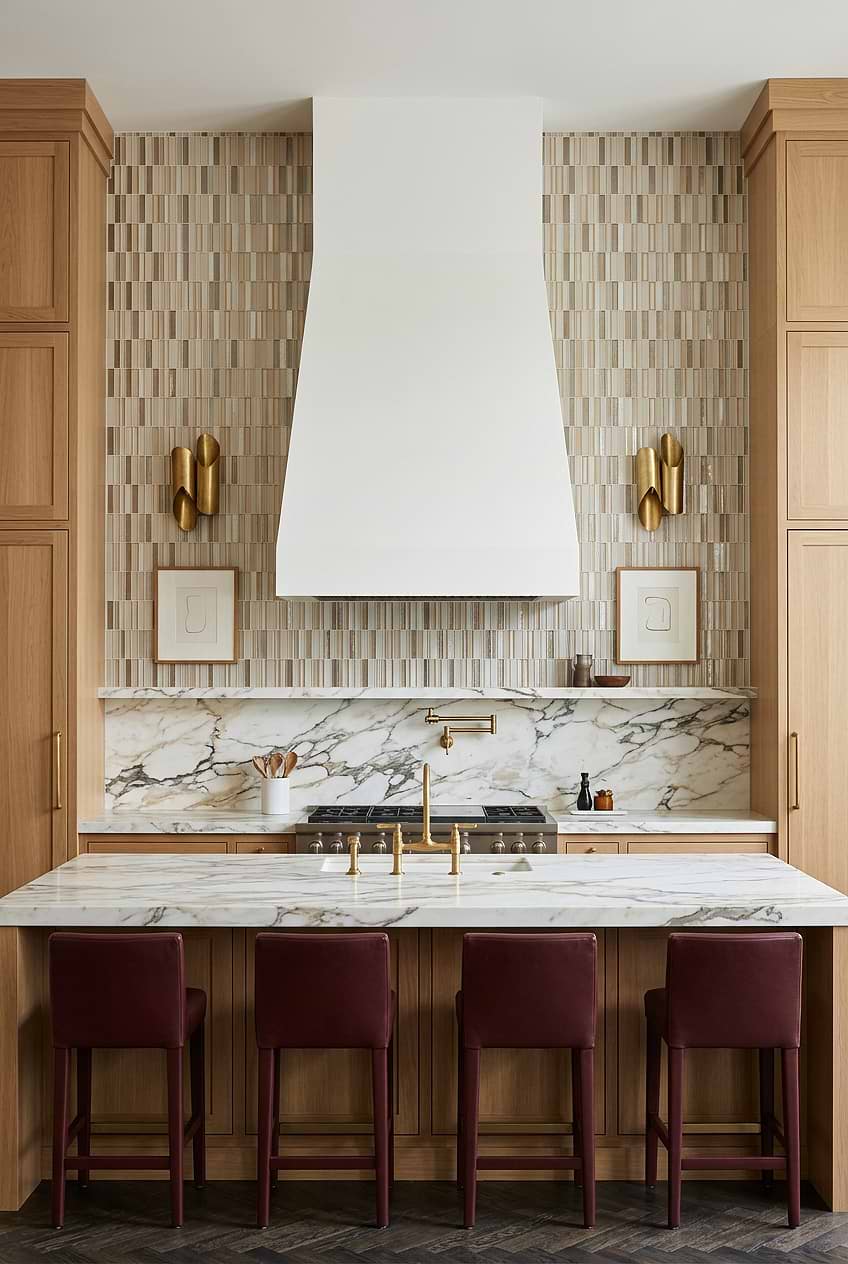
Rose Gold Glass Backsplash with White Range Hood
A dramatic marble slab already has plenty to say. The white marble countertop continues up the lower wall, putting its bold veining on full display before meeting the rose gold beveled edge glass backsplash tile above. The slim pieces of backsplash tile BA8006 introduce a softer shimmer and a more regular rhythm that enhances the visual interest. Light wood cabinets and white range hood provide a sleek frame for these textured surfaces.
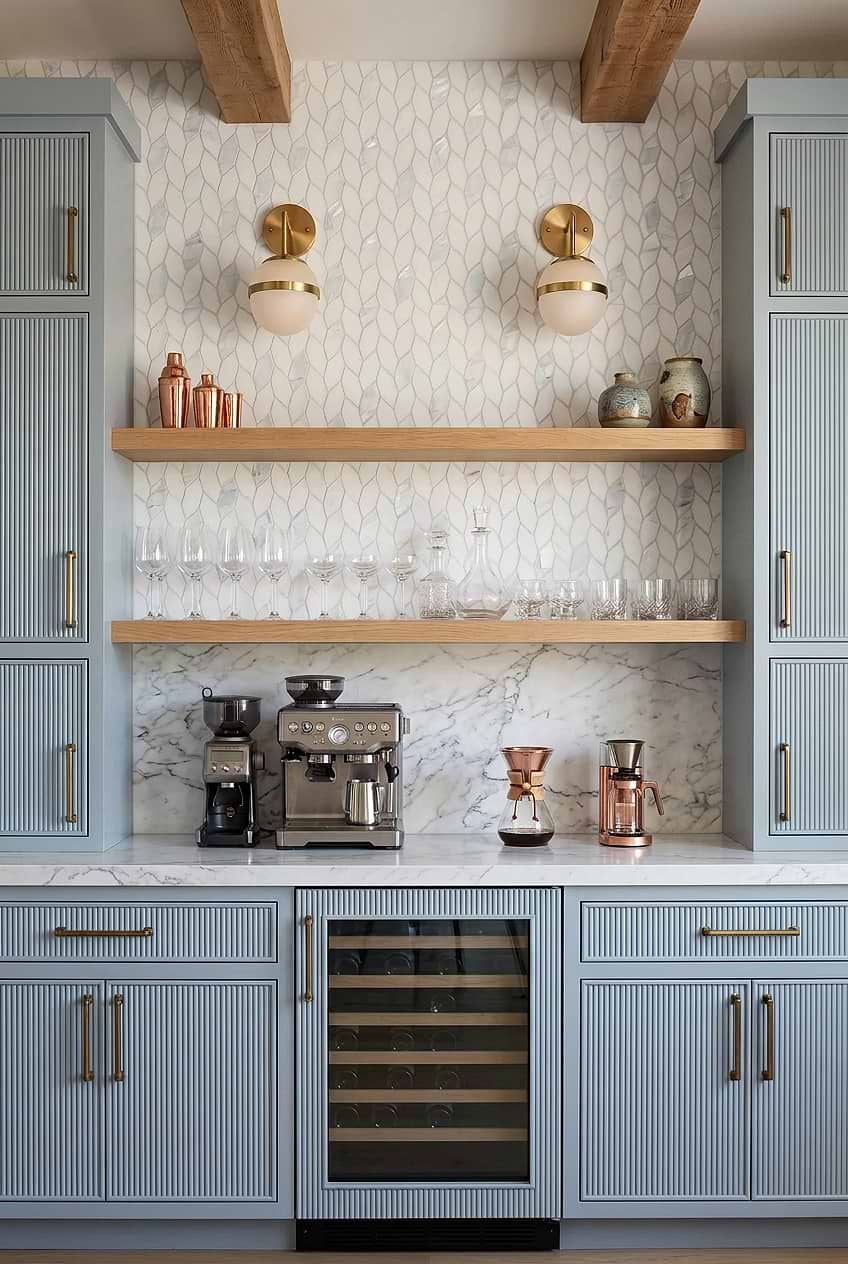
Mother Of Pearl Kitchen Tiles with Marble Slab Backsplash
A kitchen coffee bar is a great place to be a little more adventurous with backsplash materials. Here, the white marble countertop travels partway up the wall as a slab and creates a smooth band before the luxury white mother of pearl marble backsplash tile. The organic mosaic of sacksplash tile product BA7005 catches the light in a completely different way, so the two white surfaces never feel repetitive.
Black and White Mosaic Tiles
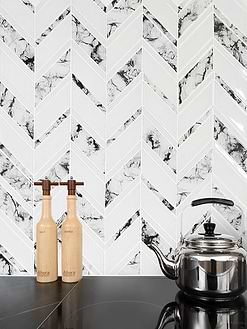
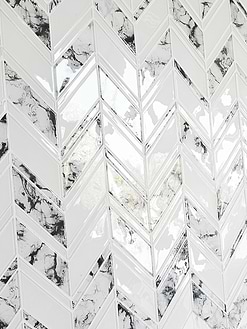
Kitchen with Two Different Backsplash Finishes
Working in a kitchen with two distinct backsplashes is a unique experience. It may be utilized to produce a timeless, traditional elegance that nevertheless looks sleek and modern in more recent house designs. People get acclimated to the idea of a backsplash, which doubles as an ornamental accent and wall protection. Did you know that there are backsplash finish alternatives that may change the look of the entire room? The most popular choices for a kitchen with two different backsplash finishes are matte and glossy.
With the numerous finish possibilities available, you may build unique design appearances for a kitchen with two different backsplash finishes. Consider a backsplash comprised of marble tiles that are both matte and glossy, with brass hardware, and white countertops and cabinets. You may use them to give your kitchens a glitzy, luxurious appearance. Let’s take a deeper look at some of the concepts for a kitchen with two different backsplash finishes to learn more.
Full-height Blue Glass Subway Kitchen Backsplash
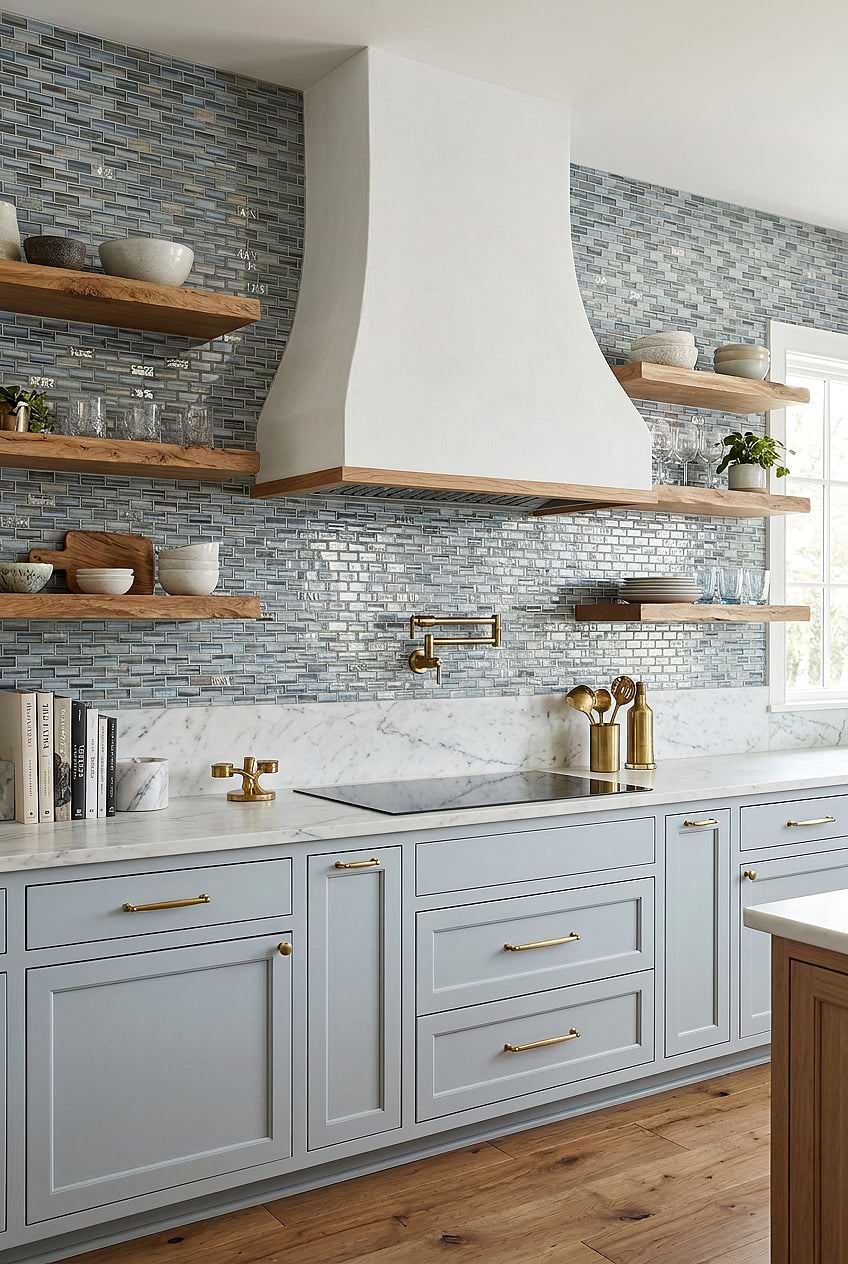
When using two different backsplashes in one kitchen, choosing materials with different finishes is a great way to add visual interest. The blue subway hand painted glass mosaic tile fills the surrounding wall from counter to ceiling. With its glossy surfaces, backsplash tile product BA5516 creates a cohesive look with the soft blue-gray raised-panel cabinets. Carrying that marble a short way up the wall as a slab backsplash create a simpler second surface.
Contemporary Kitchen with Two Different Backsplashes
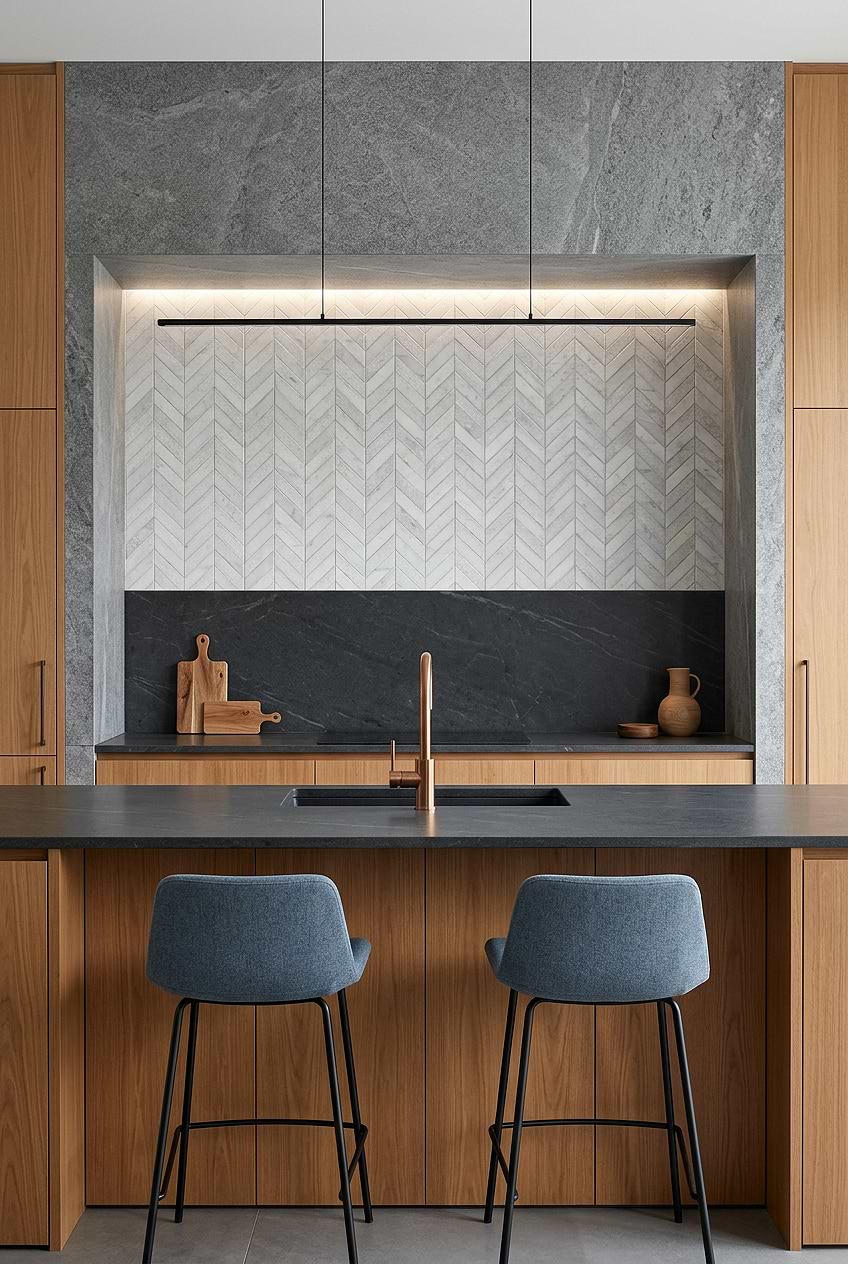
Slab and tile backsplash split the wall into two very different surfaces in this contemporary kitchen. The black stone countertop continues partway up the wall as a slab backsplash. It creates a strong horizontal base for the white modern marble chevron tile with multiple textures. Slender pieces and soft gray veining give backsplash tile product BA631613 a more detailed finish against the warm flat-panel wood cabinets.
Can you mix porcelain and glass tile?
Although costly, a complete glass tile backsplash or tub surround has a trendy appearance. A cost-effective method to add the same drama to porcelain tile is to accent it with glass tile. Glass and porcelain tiles used to have a lot of dramatic thickness variations. Before putting glass and porcelain on the same surface, the substrate had to be changed. Nowadays, the majority of glass and porcelain tiles are produced in comparable thicknesses, which makes assembling them considerably easier. Special glass installation needs are the main problem. Fortunately, porcelain can use most glass tile materials and techniques.
Kitchen with Two Different Backsplash Sizes
The wall between a counter and cabinets is covered with a backsplash. A backsplash, as its name suggests, is intended to protect the wall from any potential splashes. A backsplash serves as both a beautiful accent and a functional surface for soups boiling over on the cooktop and water from the tap. From the tiles to slabs there are many options you can come up with. Having a kitchen with two different backsplash sizes is one of the clever ideas to create a focal point and visual interest in your designs.
Sizes matter. The smaller the tiles get the more texture and patterns are emphasized. The larger the tiles get, the more sleek and plain the design look is created. Having fewer grout lines help you to save grout maintenance time, too. If you want to mix them up, which is quite possible, let’s take a look at some of the stunning design ideas for a kitchen with two different backsplash sizes.
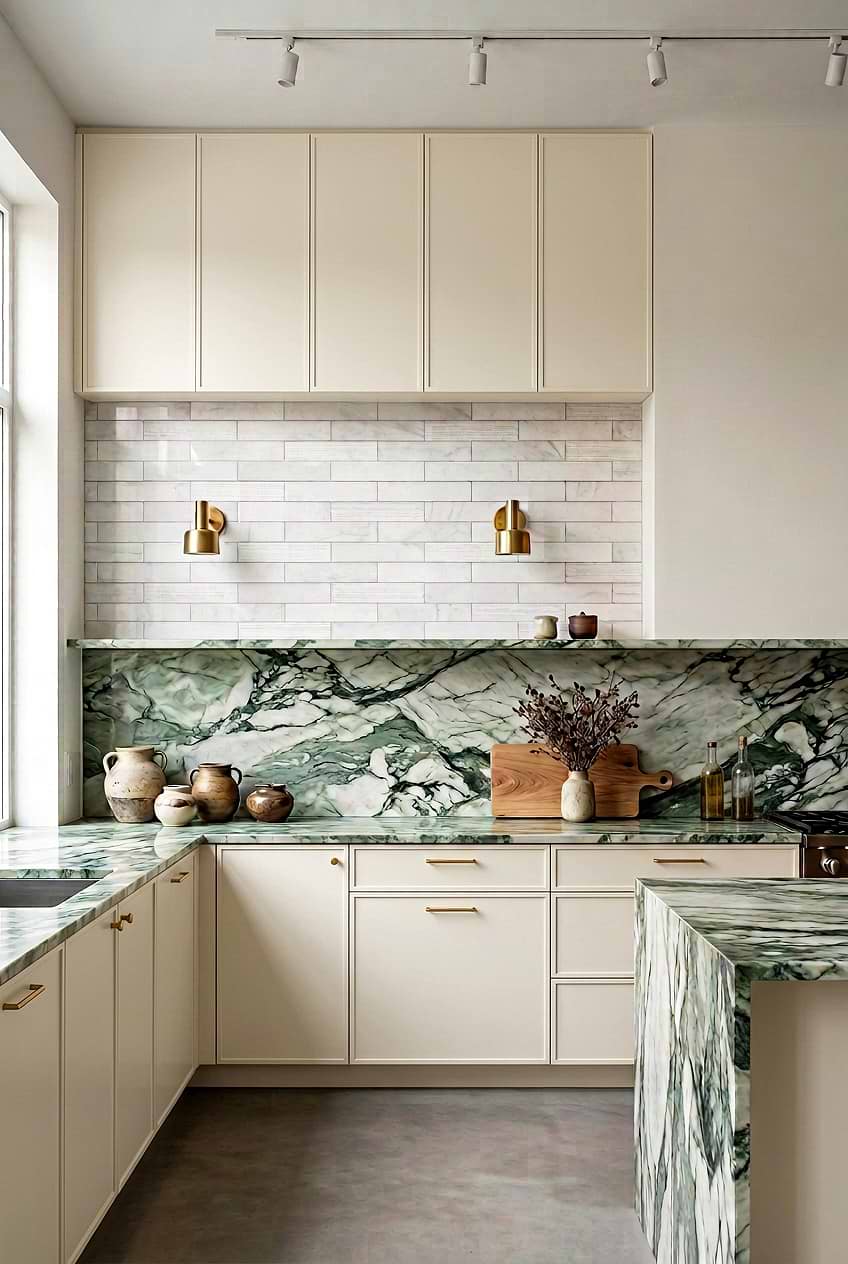
White Marble Subway Tiles with Green Marble Slabs
In this contemporary kitchen, the stone does not stop at the countertop. The dramatic green-veined marble continues partway up the wall as a slab backsplash to create a bold lower section before the large white marble subway backsplash tile. With its softer gray and blush veining, backsplash tile BA8035 create a subtle look after the expressive stone below. Using a half-height slab with decorative tile above is a smart way to design a kitchen with two different backsplashes.
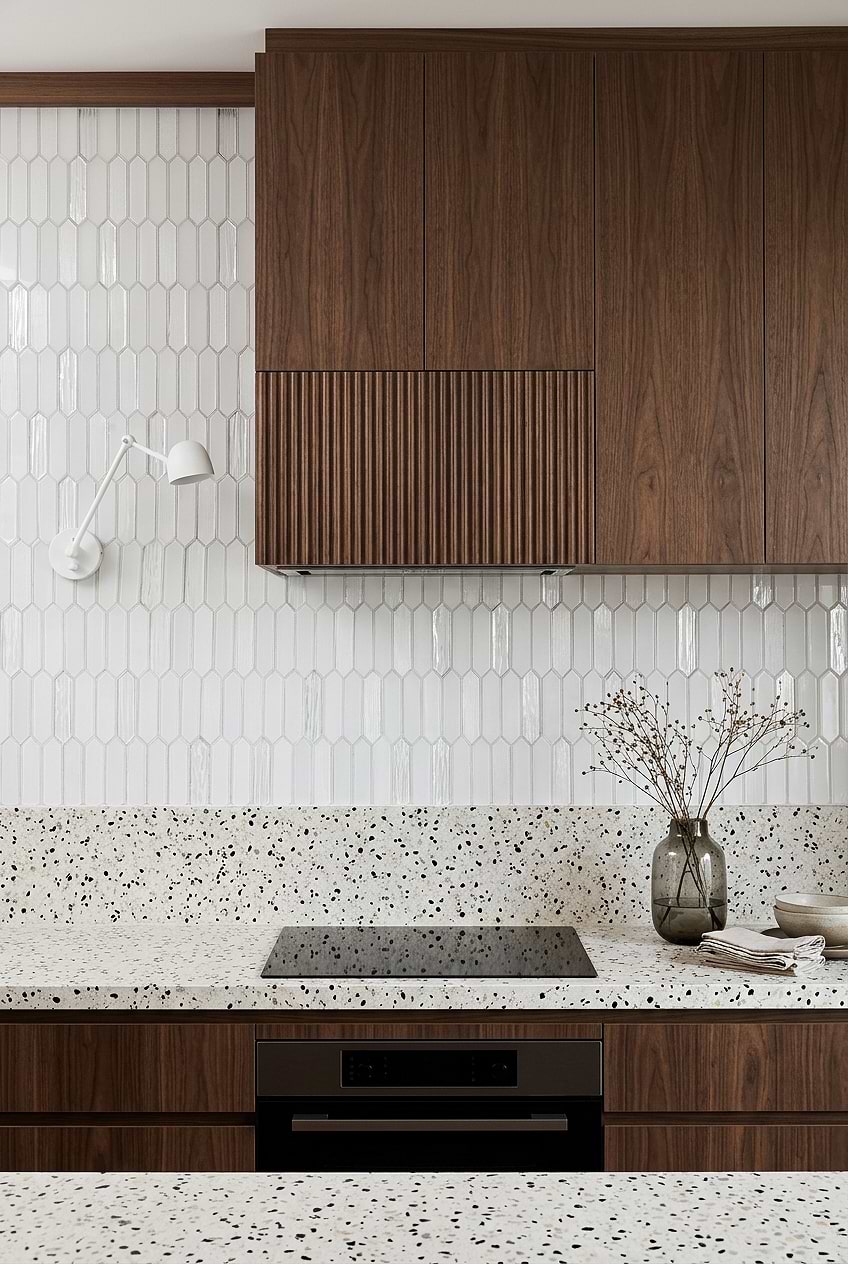
Pearl Picket Kitchen Backsplash with Terrazzo Countertop
The combination od terrazzo and glass make an interesting pair because each brings a completely different texture. Here, the white terrazzo countertop continues partway up the wall as a short slab backsplash. Above it, the glass pearl picket backsplash tile switches to a cleaner vertical rhythm, with the glossy white finish of backsplash tile BA6701. The bright finish of the tiles standsout against the dark walnut flat-panel cabinets.
Colorful Mosaic Tiles
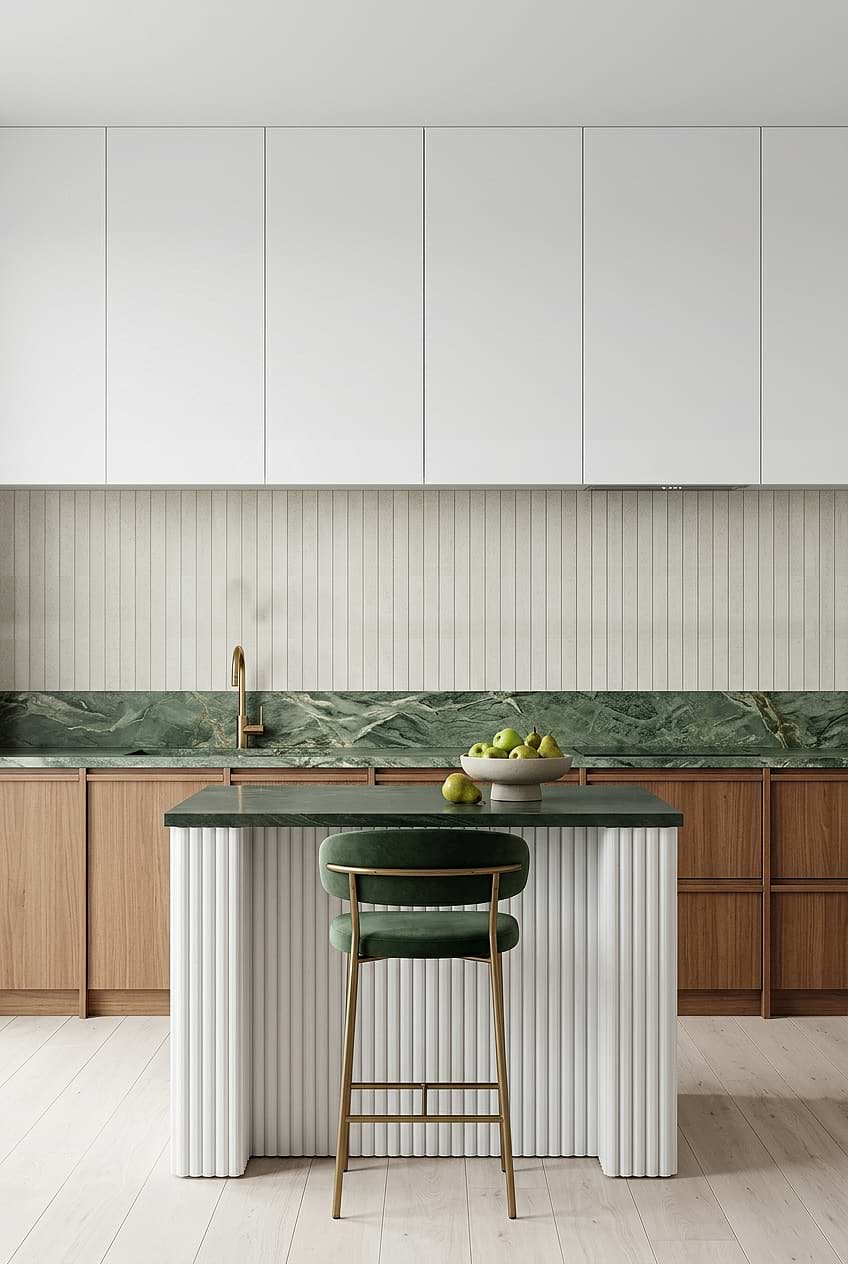
24″ Long Beige Porcelain Vertical Tile Backsplash
A deep green stone countertop gives this kitchen a strong starting point. The modern long beige porcelain mosaic tile changes both the color and scale, using slim vertical pieces to create a softer backdrop for the white upper cabinets. The warm beige of backsplash tile product BA4501 also works comfortably beside the natural wood lower cabinetry.
